The Instant Comfort of Pulling a Blanket Over Yourself
The room hasn’t changed temperature.
The air is still cold.
Nothing new has been added.
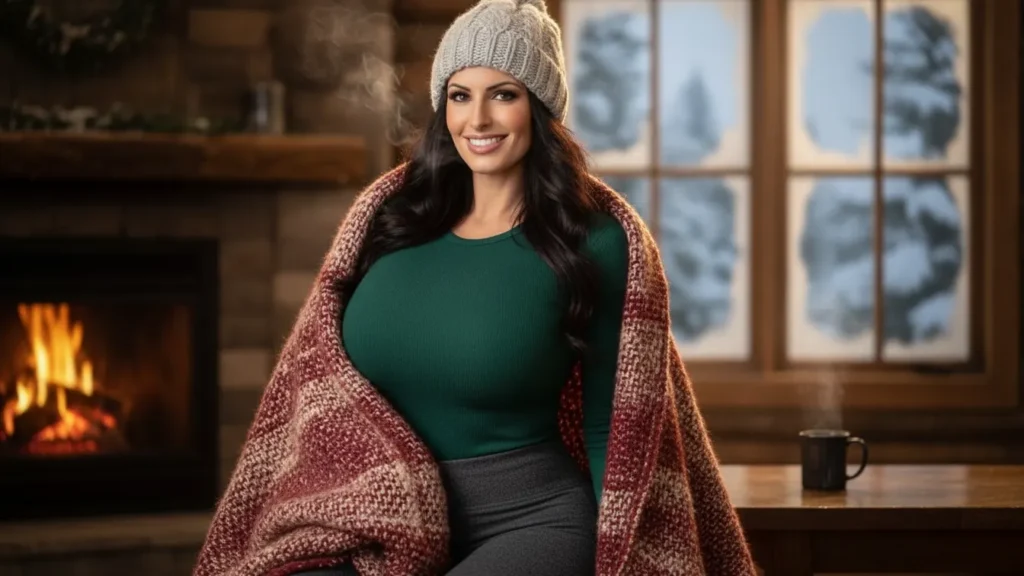
Yet the moment you pull a blanket over your body, warmth follows.
This familiar comfort happens so reliably that we rarely question it. Blankets don’t generate heat. They don’t warm the air around you. And yet, they make you feel warmer—sometimes within seconds.
The explanation lies not in heat creation, but in how your body loses heat—and how blankets quietly stop that loss.
Your Body Is Always Producing Heat
Even when you’re resting, your body is constantly generating heat.
This heat comes from:
- Metabolism
- Muscle activity
- Normal cellular processes
Your body works hard to keep its internal temperature stable. But heat naturally escapes into the surrounding environment.
Feeling cold isn’t about a lack of heat production.
It’s about losing heat faster than your body can replace it.
Blankets change that balance.
How the Body Loses Heat in the First Place
Your body loses heat in four main ways:
- Conduction – heat flowing into cooler objects you touch
- Convection – heat carried away by moving air
- Radiation – heat radiating outward from your skin
- Evaporation – heat lost as moisture leaves your skin
In an uncovered body, all four processes are active.
A blanket dramatically reduces several of them at once.
The Real Secret: Trapped Air, Not Fabric
Many people think blankets are warm because of their thickness or material.
In reality, air is doing most of the work.
Blankets trap layers of still air between:
- Your skin
- The fabric fibers
Air is a poor conductor of heat. When air doesn’t move, it prevents heat from escaping.
The blanket acts like a wall, holding warm air close to your body instead of letting it drift away.
Why Thicker Blankets Feel Warmer
Thicker blankets don’t necessarily weigh more—they trap more air.
More trapped air means:
- Slower heat loss
- Better insulation
- More stable warmth
This is why:
- A fluffy blanket feels warmer than a flat sheet
- Multiple layers feel warmer than one heavy layer
It’s not about weight—it’s about air pockets.
How Blankets Reduce Heat Loss From Moving Air
Moving air is one of the fastest ways your body loses heat.
Even a gentle draft can:
- Carry warm air away
- Replace it with cooler air
- Make you feel colder instantly
Blankets stop this by:
- Blocking airflow
- Keeping warm air still
- Preventing convection
This is why a blanket feels warmer even in the same room temperature.
Why You Feel Warm Quickly After Covering Up
The warmth often feels immediate.
That’s because:
- Your body heat was already there
- Heat loss slows down instantly
- Warm air begins accumulating around your skin
Your temperature hasn’t risen dramatically.
Your heat is simply staying where it belongs.
Why Blankets Feel Warmer Than Clothing Alone
Clothing provides insulation, but blankets add something extra:
- Larger air volume
- Less compression
- Broader coverage
When lying down:
- Clothing gets compressed
- Air pockets shrink
- Insulation decreases
Blankets float above your body, maintaining air layers that clothing alone cannot.
A Simple Comparison: Covered vs Uncovered
| Condition | Heat Loss | How You Feel |
|---|---|---|
| No blanket | High | Cold |
| Thin sheet | Reduced | Slightly warm |
| Thick blanket | Low | Warm |
| Multiple layers | Very low | Cozy |
| Blanket + clothing | Minimal | Very warm |
Why Blankets Don’t Actually “Make” Heat
A common misunderstanding is that blankets generate warmth.
They don’t.
Blankets:
- Don’t produce heat
- Don’t raise room temperature
- Don’t warm cold objects on their own
They work by slowing heat escape, allowing your body’s natural warmth to build up.
This is why blankets feel ineffective if your body heat is very low or the environment removes heat extremely fast.
The Psychological Comfort of Being Covered
Warmth isn’t just physical—it’s also perceptual.
Being under a blanket:
- Reduces sensory exposure
- Limits drafts and noise
- Creates a sense of enclosure
This calm environment can make warmth feel stronger and more noticeable, even if temperature changes are small.
The brain associates stillness and enclosure with safety and comfort.
Why You Sometimes Overheat Under Blankets
If heat loss is reduced too much:
- Warmth accumulates
- Body temperature rises slightly
- You may feel too warm
This isn’t because blankets “overheat” you—it’s because heat has nowhere to escape.
Your body then responds by:
- Shifting position
- Uncovering limbs
- Adjusting comfort naturally
Why This Matters Today
Modern environments often confuse our thermal sense:
- Climate-controlled rooms
- Thin walls
- Artificial airflow
Understanding how blankets work explains:
- Why warmth feels uneven
- Why stillness matters more than room temperature
- Why insulation beats heat production
It’s a reminder that comfort often comes from controlling loss, not adding more.
Common Misunderstandings About Blankets and Warmth
- “Heavier blankets are warmer.”
Not always—air trapping matters more than weight. - “Blankets heat the body.”
They only reduce heat loss. - “More blankets always mean more warmth.”
Only up to the point where heat accumulation becomes uncomfortable.
Key Takeaways
- Your body constantly produces heat
- Feeling cold is about heat loss, not heat absence
- Blankets trap still air, which insulates effectively
- Reduced airflow slows heat escape
- Thicker blankets work by trapping more air
- Warmth builds quickly because heat loss stops instantly
- Comfort comes from balance, not heat generation
FAQs
Why does a blanket feel warm even in a cold room?
Because it traps your body heat and prevents it from escaping into the cold air.
Why do multiple thin blankets work better than one heavy one?
Multiple layers trap more air, improving insulation.
Why do I feel colder when I remove the blanket suddenly?
Because trapped warm air escapes quickly, increasing heat loss.
Do blankets work better than heaters?
They work differently—blankets preserve heat, heaters add heat.
Why does covering my head make me feel warmer?
Because uncovered areas lose heat rapidly; covering them reduces loss.
Conclusion: Warmth Comes From Holding On, Not Heating Up
Blankets don’t create warmth.
They protect it.
By trapping air, blocking drafts, and slowing heat loss, blankets allow your body’s natural heat to surround you instead of escaping into the room.
That quiet science—simple, reliable, and ancient—is why pulling a blanket over yourself still feels like one of life’s most comforting moments.
Disclaimer: This article explains scientific concepts for general educational purposes and is not intended as professional or medical advice.