“The Moment Everyone Has Experienced”
You step onto a freshly cleaned floor.
It looks the same.
It feels the same.
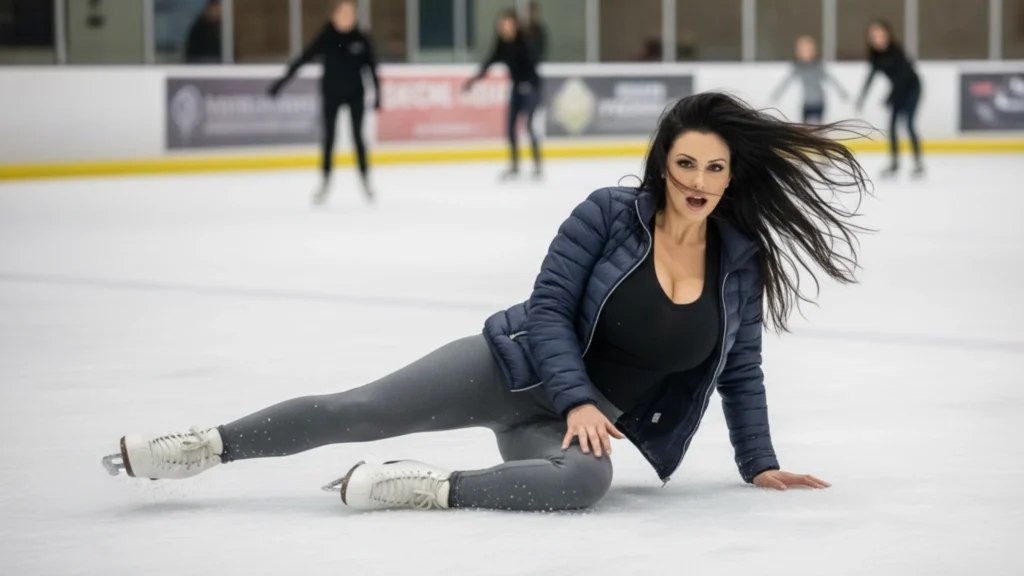
Then—your foot slides unexpectedly.
Your body tenses.
Your balance jolts.
For a split second, gravity feels personal.
Wet floors are one of the most familiar everyday hazards, yet most people never stop to ask why a thin layer of water changes everything.
The answer isn’t about clumsiness or bad luck.
It’s about friction, contact, and how water quietly interferes with the way surfaces grip each other.
What “Slippery” Actually Means in Science
In everyday language, slippery means “hard to stay upright.”
In science, it means reduced friction.
Friction is the force that resists motion when two surfaces press against each other.
It’s what allows you to:
- Walk without sliding
- Stop when you step forward
- Push against the ground to move
Without friction, walking would feel like skating.
Dry floors usually provide enough friction to keep you stable.
Wet floors don’t.
How Friction Works on a Dry Floor
Even surfaces that look smooth aren’t actually flat.
At a microscopic level, floors and shoe soles are full of tiny bumps, ridges, and grooves.
On a dry floor:
- These microscopic bumps interlock
- Your shoe presses directly against the surface
- Friction resists slipping
Think of it like two pieces of rough sandpaper pressed together.
They grip.
This grip is what keeps your foot from sliding when you take a step.
What Changes When Water Enters the Picture
When water spreads across a floor, it forms a thin liquid layer between your shoe and the surface.
That layer does two important things:
- It fills the tiny gaps between surface bumps
- It prevents direct contact between the shoe and the floor
Instead of solid-on-solid contact, you now have:
Shoe → water → floor
Water acts as a lubricant, not a gripping surface.
Even a very thin layer is enough to dramatically reduce friction.
Why Water Is So Effective at Reducing Grip
Water molecules move freely.
Unlike solid surfaces, they don’t lock into place.
When pressure is applied:
- The water shifts
- The shoe slides over it
- Resistance drops
This is why slipping can happen suddenly and without warning.
The floor hasn’t changed shape.
Your shoe hasn’t changed shape.
But the connection between them has.
A Simple Analogy: Tires on Ice vs. Dry Road
Imagine driving on a dry road.
Your tires grip the surface, allowing control.
Now imagine a thin layer of ice or water.
The tires spin or slide because the road-tire contact is broken.
The same principle applies to your feet.
Water reduces the “traction” your shoes normally rely on.
Why Smooth Floors Are Worse When Wet
Not all wet floors feel equally slippery.
Smooth surfaces—like tile, marble, or polished stone—are especially risky.
Why?
Because:
- They already have fewer surface bumps
- Water spreads evenly across them
- There’s little texture to break the water layer
On rougher surfaces, water can drain into grooves, allowing some contact to remain.
On smooth floors, water stays trapped between surfaces, maximizing slipperiness.
Wet vs. Dry Floors: A Clear Comparison
| Feature | Dry Floor | Wet Floor |
|---|---|---|
| Surface contact | Direct solid contact | Separated by water |
| Friction level | High | Low |
| Shoe grip | Strong | Reduced |
| Stability | Predictable | Unstable |
| Slip risk | Low | Higher |
This shift happens quickly—and often invisibly.
Why Your Brain Doesn’t Always React in Time
Slipping feels sudden because your brain expects normal friction.
Walking is mostly automatic.
- How much grip you’ll have
- How hard to push off
- How your foot will respond
When friction suddenly drops, those predictions are wrong.
Your muscles react a fraction of a second too late.
That’s why slips feel shocking—even when you’re being careful.
Why Small Amounts of Water Can Be Worse Than Big Puddles
Surprisingly, a thin layer of water can be more dangerous than a visible puddle.
Why?
Because:
- Thin layers spread evenly
- They’re harder to see
- They fully separate surfaces
Large puddles are obvious and often avoided.
Thin moisture films quietly remove friction without visual warning.
Common Misunderstandings About Slippery Floors
“It’s only slippery because of soap”
Soap can worsen slipperiness, but water alone is enough.
“Barefoot is safer on wet floors”
Bare feet still rely on friction and can slip easily on smooth, wet surfaces.
“Textured shoes always prevent slipping”
They help, but water can still reduce grip significantly.
“Only smooth floors are dangerous”
Even rough surfaces lose friction when enough water is present.
Why Cleaning Makes Floors Temporarily Risky
After mopping or washing:
- Water remains on the surface
- Residues may reduce friction further
- Floors appear clean but behave differently
This temporary friction loss explains why slips often happen right after cleaning.
The floor looks safer—but physically, it’s not.
Why This Matters Today
Modern spaces use more smooth flooring than ever:
- Polished tiles
- Stone floors
- Glossy finishes
They look clean and modern—but rely heavily on dry conditions for safety.
Understanding why wet floors are slippery helps explain:
- Why caution signs exist
- Why small spills matter
- Why slips happen so easily
It’s not carelessness—it’s physics.
Everyday Examples You’ve Probably Noticed
- Slipping near a swimming pool
- Sliding on rain-soaked tiles
- Losing footing on a wet bathroom floor
- Feeling unstable on freshly cleaned surfaces
Each case follows the same scientific rule:
Water reduces friction by breaking surface contact.
Frequently Asked Questions
1. Why does water reduce friction so much?
It forms a moving layer that prevents solid surfaces from gripping each other.
2. Are wet floors always slippery?
Most become more slippery, but surface texture and drainage can reduce the effect.
3. Why do shoes slip more than bare skin sometimes?
Shoe soles may trap water more easily on smooth surfaces.
4. Does temperature matter?
Temperature can affect water behavior slightly, but friction loss happens regardless.
5. Why do slips feel so sudden?
The brain predicts grip based on dry conditions and reacts too late when friction drops.
Key Takeaways
- Slipperiness is caused by reduced friction
- Water forms a lubricating layer between surfaces
- Smooth floors are especially risky when wet
- Even thin moisture films can cause slipping
- Slips happen because physics changes faster than the brain can adapt
A Calm Closing Thought
Wet floors don’t become dangerous because they’re broken or defective.
They become dangerous because water quietly changes how surfaces interact.
Once you understand the physics, the experience makes sense—not scary, not mysterious.
Just a simple reminder that even ordinary materials behave very differently when a thin layer of water gets in between.
Disclaimer: This article explains scientific concepts for general educational purposes and is not intended as professional or medical advice.