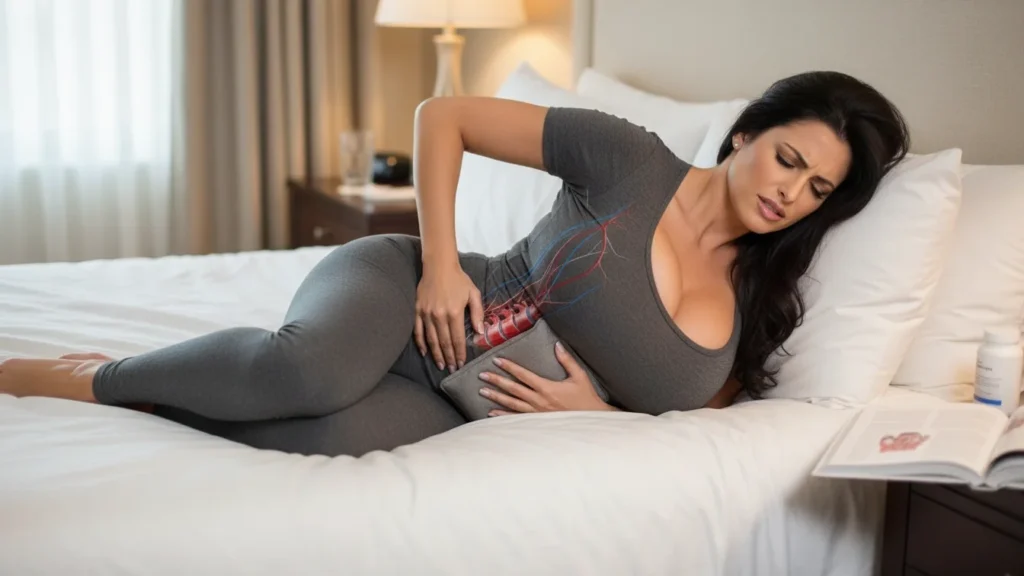
The Soreness That Arrives Late
You finish a workout feeling fine.
Maybe even energized.
But the next morning, something changes.
Stairs feel harder.
Sitting down takes effort.
Muscles feel tender, tight, and sore.
This delayed discomfort surprises many people. If exercise caused the pain, why didn’t it hurt right away?
The answer lies in how muscles respond to stress, repair themselves, and adapt over time. Muscle soreness that appears a day later isn’t a flaw in the system — it’s part of how the system works.
What This Type of Soreness Is Called
The soreness that appears hours to a day after exercise is known as delayed-onset muscle soreness, often shortened to DOMS.
DOMS is different from:
- Immediate burning during exercise
- Sharp pain from sudden strain
- General fatigue
Delayed soreness has a specific cause tied to muscle structure and recovery, not to what you feel during the workout itself.
Why Muscles Don’t Hurt Right Away
During exercise, muscles are busy working.
They contract, relax, and generate force repeatedly. At the same time, the nervous system releases natural chemicals that dampen pain perception, allowing movement to continue.
In other words, the body temporarily turns down pain signals so activity can happen.
Only after exercise stops does the body shift from performance mode to repair mode — and that’s when soreness begins to emerge.
What Exercise Does to Muscle Fibers
Muscles are made of thousands of tiny fibers bundled together.
When you exercise — especially in new or challenging ways — some of these fibers experience microscopic strain.
This is most common when muscles:
- Lengthen while contracting
- Control movement under load
- Perform unfamiliar motions
These tiny disruptions are normal and expected. They are not injuries — they are signals that muscles have been challenged.
The Repair Process Takes Time
Once exercise ends, the body begins repairing those microscopic changes.
This repair process involves:
- Increased blood flow
- Cellular cleanup
- Structural rebuilding
- Reinforcement of muscle fibers
These steps don’t happen instantly. They unfold gradually over hours.
As repair activity increases, the surrounding tissue becomes more sensitive, which is why soreness appears later rather than immediately.
Why Inflammation Is Part of the Story
Inflammation often sounds negative, but in this context it’s functional.
During muscle repair:
- Damaged material is cleared
- Signaling molecules are released
- New tissue is formed
This controlled inflammatory response increases sensitivity in the area.
Nerves that normally stay quiet become more responsive, translating internal repair activity into the familiar feeling of soreness.
A Helpful Analogy: Roadwork After Traffic
Imagine a busy road used all day.
Traffic moves smoothly while vehicles are passing.
But once traffic stops, repair crews come in overnight to fix wear and tear.
The noise and activity don’t happen during traffic — they happen afterward.
Muscle soreness follows the same pattern.
Why Soreness Peaks 24–48 Hours Later
Muscle soreness usually peaks one to two days after exercise.
This timing matches:
- Peak repair activity
- Heightened nerve sensitivity
- Structural remodeling of muscle tissue
By this point, the body is fully engaged in strengthening muscles — and sensitivity is highest.
As repair completes, soreness gradually fades.
Why New Exercises Cause More Soreness
DOMS is especially noticeable when you:
- Try a new activity
- Increase intensity
- Change movement patterns
This is because muscles haven’t yet adapted to those specific demands.
Once adaptation occurs, the same activity causes less disruption — and therefore less soreness.
Why Some Movements Cause More Soreness Than Others
Exercises that emphasize controlled lengthening of muscles tend to cause more delayed soreness.
These movements place unique stress on muscle fibers, creating greater need for repair.
This doesn’t mean they’re harmful — it means they’re effective at challenging muscle structure.
Common Myths About Muscle Soreness
“Soreness means I damaged my muscles”
No. It usually means muscles are adapting, not injured.
“No soreness means no progress”
Progress can happen with or without soreness.
“Soreness is caused by lactic acid”
Lactic acid clears quickly after exercise and is not responsible for next-day soreness.
Why Muscles Feel Stiff as Well as Sore
Soreness often comes with stiffness.
This happens because:
- Repair processes alter tissue tension
- Fluid shifts slightly within muscle
- Sensitivity increases during movement
Stiffness is part of the same recovery phase as soreness — not a separate problem.
Delayed Soreness vs. Immediate Exercise Pain
| Feature | Delayed Muscle Soreness | Immediate Exercise Pain |
|---|---|---|
| Timing | 24–48 hours later | During activity |
| Cause | Repair and adaptation | Temporary exertion |
| Sensation | Aching, tender | Burning or fatigue |
| Purpose | Signal rebuilding | Signal effort |
| Duration | Days | Minutes to hours |
They serve different roles and come from different processes.
Why Soreness Feels Worse When Moving
At rest, soreness may feel mild.
During movement, it often intensifies.
That’s because movement:
- Stretches sensitive fibers
- Activates pressure-sensitive nerves
- Increases awareness of affected areas
The discomfort reflects sensitivity during healing, not ongoing damage.
Why This Matters Today
Many people interpret muscle soreness as something to fear or avoid.
In reality, delayed soreness reflects a body that is:
- Responding to challenge
- Rebuilding stronger tissue
- Learning new movement demands
Understanding why soreness appears later helps people:
- Avoid unnecessary worry
- Recognize normal recovery signals
- Appreciate the adaptive process
- Maintain consistency without confusion
Knowledge replaces frustration with clarity.
Key Takeaways
- Muscle soreness a day after exercise is normal and expected
- It results from microscopic strain and repair, not damage
- Soreness appears after activity because repair takes time
- Inflammation and nerve sensitivity play key roles
- New or intense movements cause more soreness
- Soreness fades as muscles adapt and strengthen
Frequently Asked Questions
Why don’t muscles hurt during exercise?
Because pain signals are dampened while muscles are actively working.
Why does soreness peak the next day?
Repair and sensitivity increase hours after exercise ends.
Is muscle soreness a sign of growth?
It often reflects adaptation, but growth can occur without soreness too.
Why does soreness go away after a few days?
Because repair completes and sensitivity decreases.
Will the same workout always cause soreness?
No. As muscles adapt, soreness becomes less pronounced.
A Calm Conclusion
Delayed muscle soreness isn’t a punishment for exercising.
It’s a conversation between effort and adaptation.
The body waits until movement ends, then quietly gets to work — repairing, reinforcing, and preparing muscles for what comes next. The soreness you feel is simply awareness of that process.
Understanding this turns next-day aches from a mystery into a message:
your muscles are learning.
Disclaimer: This article explains scientific concepts for general educational purposes and is not intended as professional or medical advice.