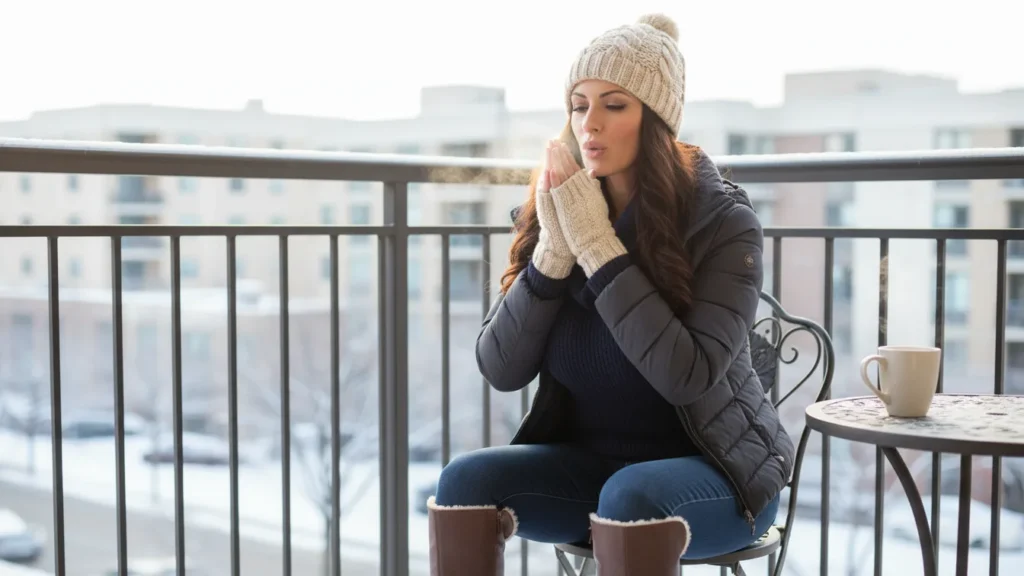
A Familiar Feeling Everyone Recognizes
You step outside on a chilly morning.
Your jacket feels fine.
Your core feels warm.
But your fingers stiffen.
Your toes start to ache.
Long before your chest or face feels cold, your hands and feet seem to lose warmth first.
This isn’t coincidence.
And it isn’t weakness.
It’s a deliberate, built-in survival strategy—one your body has been using for thousands of years.
The First Rule of Body Temperature: Protect the Core
Your body doesn’t treat all parts equally when it comes to heat.
At the top of its priority list are organs that keep you alive:
- Brain
- Heart
- Lungs
- Liver
These organs sit in your core, where temperature must stay stable.
Hands and feet, by contrast, are considered expendable zones in survival terms—not unimportant, but less critical than core organs.
When heat is limited, the body makes choices.
Heat Is Energy — And Energy Is Limited
Your body generates heat constantly through metabolism.
But that heat isn’t unlimited.
When the environment gets cold, heat loss increases through:
- Skin exposure
- Air movement
- Contact with cold surfaces
To avoid losing too much heat overall, the body reduces heat delivery to areas where it’s least dangerous to do so.
Hands and feet are first on that list.
Why Hands and Feet Lose Heat Faster Than Other Areas
Several physical realities work against them.
1. They’re Far From the Core
Heat is generated mostly in the torso.
The farther blood has to travel, the more heat it loses along the way.
Hands and feet sit at the very ends of that journey.
2. They Have a High Surface Area
Fingers and toes have lots of skin relative to their size.
More skin = more opportunity for heat to escape.
3. They’re Designed for Exposure
Hands and feet evolved for interaction with the environment—walking, grasping, touching.
That exposure makes heat loss inevitable.
The Body’s Main Tool: Reducing Blood Flow
The key mechanism behind cold hands and feet is controlled blood flow.
When temperatures drop, blood vessels in the extremities narrow.
This process:
- Reduces warm blood reaching hands and feet
- Slows heat loss to the environment
- Keeps warm blood circulating in the core
This narrowing happens automatically and quickly—often before you consciously feel cold.
A Simple Analogy: Heating a House in Winter
Imagine heating a house during a power shortage.
You would:
- Close off unused rooms
- Focus heat on the living area
- Let hallways and storage rooms cool
Your body does the same thing.
Hands and feet are like the hallways—important, but not where survival heat is concentrated.
Why Fingers Feel Cold Even When the Rest of You Is Warm
This creates a strange sensation:
- Your torso feels comfortable
- Your fingers feel icy
That doesn’t mean your whole body is cold.
It means your body is strategically redistributing heat.
This is why gloves can make such a dramatic difference—once insulation is added, the body can afford to send warmth back.
Why Feet Often Feel Colder Than Hands
Feet tend to get cold even faster.
Here’s why:
- Gravity makes it harder for warm blood to reach them
- They’re often in contact with cold ground
- Shoes can trap cold air if not insulated
Even indoors, floors pull heat away more efficiently than air.
Cold Sensation vs. Actual Temperature
Another surprise: cold hands don’t always mean very low temperature.
Hands are packed with temperature-sensitive nerve endings.
That means:
- Small drops in warmth feel dramatic
- Cold is detected quickly
- Sensation is amplified
Your brain is warned early—before damage or serious cooling occurs.
Common Misunderstandings About Cold Hands and Feet
Many people assume:
- “My circulation is bad”
- “Something is wrong”
- “I’m more sensitive than others”
In most everyday situations, cold extremities reflect normal thermoregulation, not a problem.
Sensitivity simply means your warning system is working well.
Why Movement Warms Hands and Feet Quickly
Ever notice how walking or rubbing your hands helps?
That’s because movement:
- Forces muscles to generate heat
- Pushes blood into extremities
- Overrides some heat-conserving restrictions
The body adapts moment by moment.
Stillness favors conservation.
Movement favors distribution.
A Quick Comparison: Core vs. Extremities
| Feature | Core (Chest, Abdomen) | Hands & Feet |
|---|---|---|
| Survival priority | Very high | Lower |
| Heat production | High | Low |
| Blood flow in cold | Preserved | Reduced |
| Heat loss rate | Slower | Faster |
| Sensory sensitivity | Moderate | Very high |
This difference explains why cold feels uneven.
Why This System Exists at All
Early humans faced cold far more often than modern people.
Without jackets, heated rooms, or insulated shoes, survival depended on:
- Keeping the brain functioning
- Preserving heart rhythm
- Avoiding core temperature loss
Sacrificing comfort in the hands and feet was a small price to pay for staying alive.
That logic remains built into us today.
Why This Matters Today
Modern life can make normal biology feel confusing.
We expect constant comfort.
Understanding why hands and feet get cold first helps:
- Reduce unnecessary worry
- Build trust in the body’s intelligence
- Explain everyday sensations without fear
Not every uncomfortable feeling signals a problem.
Some signal protection.
Key Takeaways
- The body prioritizes keeping core organs warm
- Hands and feet lose heat faster due to location and exposure
- Blood flow to extremities is reduced to conserve energy
- Cold sensation acts as an early warning system
- This response reflects survival efficiency, not failure
Your body isn’t ignoring your hands—it’s protecting your life.
Frequently Asked Questions
Why do my hands get cold even indoors?
Because the body responds to overall heat balance, not just air temperature, and hands lose heat quickly.
Why do fingers turn cold faster than palms?
Fingers have more surface area and less insulation, allowing heat to escape faster.
Why does one person feel colder than another?
Differences in body size, fat distribution, metabolism, and nerve sensitivity affect heat perception.
Why do hands warm up suddenly after being cold?
Once conditions improve, blood flow returns quickly, bringing warmth back.
Does feeling cold mean low body temperature?
Not necessarily. Local cold sensation often reflects heat redistribution, not whole-body cooling.
A Calm, Simple Conclusion
Cold hands and feet aren’t a flaw.
They’re evidence of a body that knows how to prioritize, conserve, and protect.
Every time your fingers chill before your chest does, you’re experiencing an ancient survival system still quietly working—solving the problem of heat long before you think about it.
Disclaimer: This article explains general scientific concepts for educational purposes only and is not intended as medical or professional advice.