That Instant Relief From the First Cold Sip
You’re warm.
Maybe tired.
Maybe thirsty.
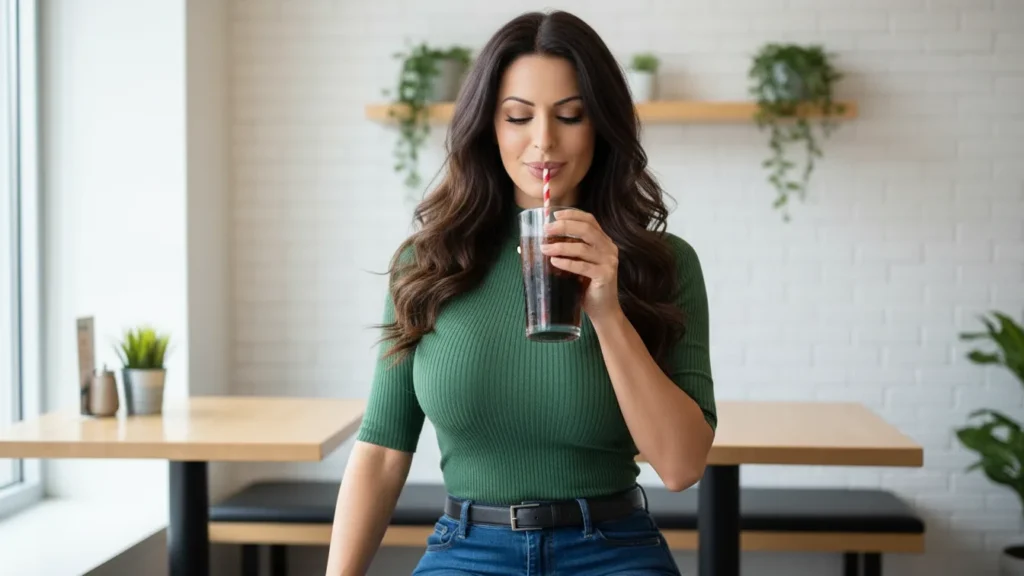
You take a sip of a cold drink—and instantly, something changes.
Before hydration even matters, before the liquid reaches your stomach, you feel better. Fresher. More awake. Almost relieved.
This happens so fast that it feels almost magical.
But the effect isn’t magic.
It’s not imagination.
And it’s not just about quenching thirst.
Cold drinks feel refreshing because they activate powerful sensory shortcuts in the brain that signal relief long before your body actually cools down.
Refreshment Is a Sensation, Not a Measurement
A common assumption is that refreshment equals cooling the body.
But that’s not how it works.
Your core body temperature barely changes after a few sips of a cold drink. Yet the refreshing feeling arrives instantly.
This tells us something important:
Refreshment is primarily a perception created by the nervous system.
Cold drinks work because they change how your brain interprets your internal state, not because they immediately fix it.
Temperature Sensors Are the Key Players
Your mouth, tongue, and throat are packed with temperature-sensitive nerve endings.
These sensors are extremely fast and sensitive. When something cold touches them, they send immediate signals to the brain.
The brain doesn’t wait to verify whether your body is actually cooling.
Instead, it makes a quick assumption:
“Cooling is happening. Relief is on the way.”
That assumption creates the refreshing sensation.
Why the Brain Loves Cold Signals
Cold signals are evolutionarily meaningful.
For much of human history, cold liquids often meant:
- Fresh water
- Safer hydration
- Environmental relief from heat
The brain learned to associate cold sensations with positive outcomes.
So when cold touches the mouth, the brain reacts with a built-in reward signal—refreshment.
Why Cold Feels More Refreshing Than Cool
Not all temperatures create the same effect.
Cold activates specific nerve pathways that cool or lukewarm temperatures don’t stimulate as strongly.
These cold-sensitive pathways:
- Fire rapidly
- Send high-priority signals
- Demand immediate attention
The sharper the contrast between your body temperature and the drink, the stronger the signal—and the stronger the feeling of refreshment.
The Role of Heat Transfer
There is real cooling involved—but it’s local and brief.
Cold drinks absorb heat from:
- The mouth
- The throat
- Nearby blood vessels
This local heat transfer enhances the brain’s perception of cooling, even though your overall body temperature remains stable.
The brain doesn’t need full-body cooling to feel refreshed. A small, fast signal is enough.
Why Cold Drinks Feel Best When You’re Hot
When you’re warm, your nervous system is already on alert.
Blood vessels near the skin widen.
Sweating may increase.
Thermal discomfort rises.
In this state, cold signals feel especially powerful because they contrast sharply with internal warmth.
The greater the contrast, the more dramatic the relief feels.
Cold Drinks vs Warm Drinks: A Comparison
| Drink Temperature | Brain Response | Perceived Effect |
|---|---|---|
| Cold | Strong sensory signal | Immediate refreshment |
| Cool | Moderate signal | Mild relief |
| Room temperature | Weak signal | Neutral |
| Warm | No cooling signal | Comfort, not refreshment |
This explains why warm drinks can feel comforting but rarely feel refreshing.
Why the Feeling Arrives Before Hydration Helps
Hydration affects the body slowly.
But refreshment arrives in seconds.
That’s because the brain doesn’t wait for absorption. It responds to sensory input, not fluid balance.
This quick response is useful—it encourages drinking before dehydration becomes a problem.
The Mouth as a Shortcut to the Brain
The mouth acts as an early warning system.
It samples temperature, texture, and taste and reports instantly to the brain.
Cold drinks take advantage of this shortcut.
By cooling a small but sensitive area, they convince the brain that relief is happening—whether or not the body actually needs cooling.
Why Cold Drinks Can Feel Refreshing Even When You’re Not Thirsty
Have you ever taken a cold sip even when you weren’t truly thirsty and still felt refreshed?
That’s because refreshment and thirst are related but separate sensations.
Cold stimulates comfort and alertness pathways, not just thirst regulation.
That’s why cold drinks feel appealing in many situations—not just dehydration.
Why Fizzy Cold Drinks Feel Extra Refreshing
Carbonation adds another layer.
Bubbles stimulate touch and pressure receptors, amplifying sensory input.
When combined with cold:
- Sensory contrast increases
- Brain activation intensifies
- Refreshment feels stronger
This multi-sensory stimulation explains why fizzy cold drinks often feel “extra refreshing.”
Common Misunderstandings About Cold Drinks
“Cold drinks cool your body instantly.”
They cool locally and perceptually, not system-wide.
“Refreshment means hydration.”
Refreshment is a brain sensation; hydration is a physiological process.
“Warm drinks can’t refresh.”
They can comfort, but they don’t trigger the same cooling signals.
“The effect is psychological.”
It’s neurological and sensory, not imagined.
Why the Refreshing Effect Fades Quickly
The brain adapts fast.
Once cold becomes familiar, nerve responses decrease. That’s why the first sip feels best.
As temperature equalizes, the signal weakens—and refreshment fades.
This fading isn’t failure. It’s normal sensory adaptation.
Why This Matters Today
Cold drinks are everywhere—from water bottles to vending machines.
Understanding why they feel refreshing helps explain:
- Why people reach for cold beverages instinctively
- Why refreshment isn’t always linked to actual need
- Why sensory experience can shape comfort and behavior
It shows how powerful perception is—and how small signals can change how we feel.
Key Takeaways
- Refreshment is created by the brain, not just the body
- Cold activates fast, high-priority sensory pathways
- The mouth sends cooling signals instantly
- Heat transfer is local but perception is strong
- Contrast between warm body and cold drink amplifies relief
- Refreshment arrives before hydration does
Frequently Asked Questions
Why does the first sip feel the most refreshing?
Because sensory receptors respond strongest to new stimuli before adapting.
Do cold drinks actually lower body temperature?
Only slightly and briefly. The main effect is perceptual.
Why do cold drinks feel better when it’s hot?
Greater temperature contrast strengthens brain response.
Can warm drinks ever feel refreshing?
They usually feel comforting rather than refreshing due to different sensory signals.
Why do fizzy cold drinks feel extra refreshing?
They stimulate multiple sensory pathways at once.
A Clever Shortcut Built Into the Brain
Cold drinks feel refreshing not because they instantly fix your body—but because they signal relief efficiently.
Your brain uses temperature as a shortcut, interpreting cold as safety, comfort, and restoration.
It’s a small sensation with a big effect—one sip at a time.
Disclaimer: This article explains scientific concepts for general educational purposes and is not intended as professional or medical advice.