Have you ever noticed something surprisingly comforting?
You eat a meal…
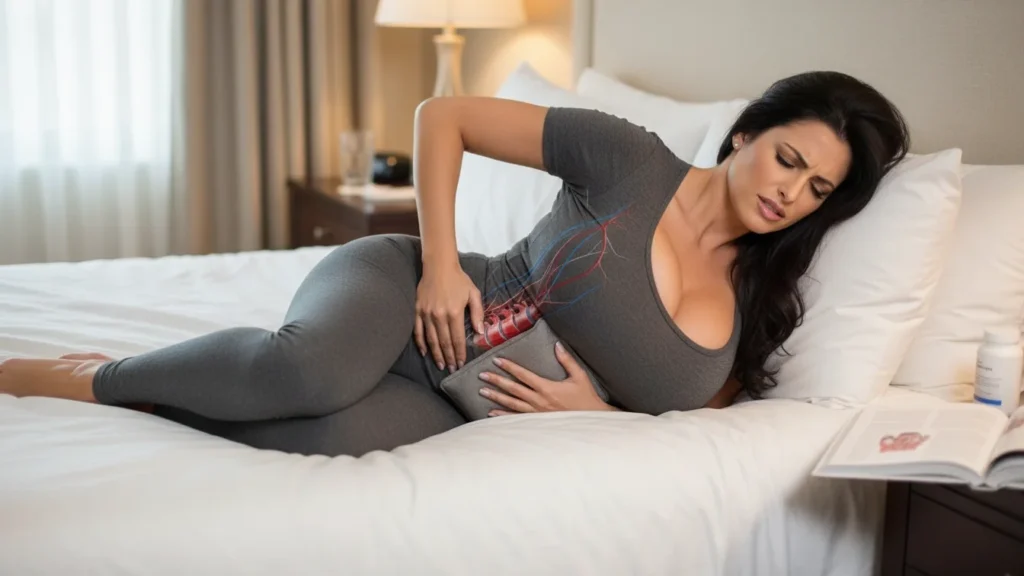
feel a little heavy or slow…
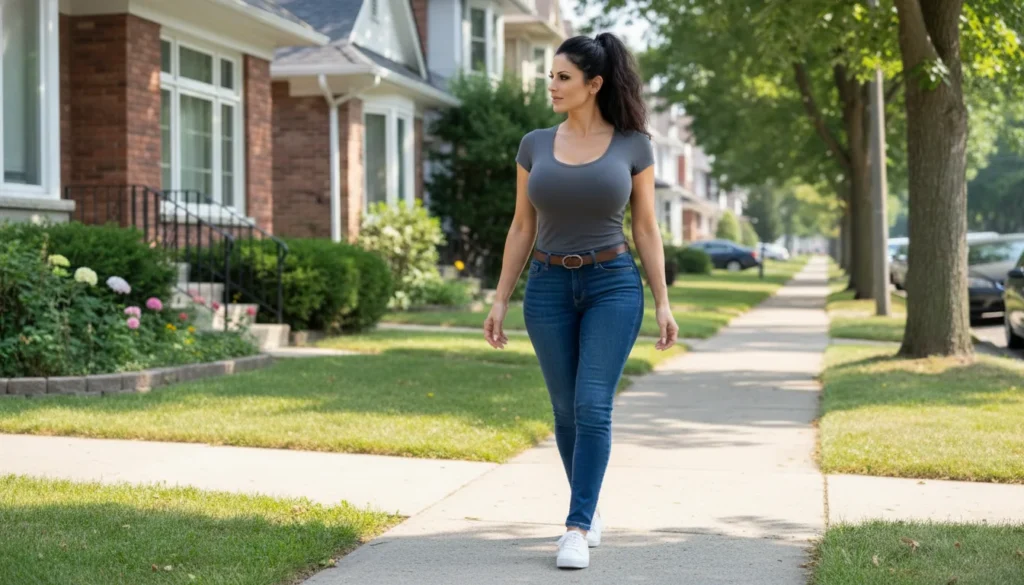
then take a gentle walk…
And somehow, your stomach feels lighter.
Bloating eases.
Fullness becomes comfortable.
Your body feels like it “woke up” again.
It raises a fascinating question:
Why does digestion often improve after walking?
Is it just a coincidence?
Not at all.
This is a real biological effect — and it’s one of the simplest examples of how movement directly supports internal body systems.
Walking doesn’t just move your legs.
It also helps move your digestion forward.
Let’s explore the science behind why.
Digestion Is Not Just Chemistry — It’s Also Motion
Most people imagine digestion as something purely chemical:
- stomach acid breaking down food
- enzymes working silently
- nutrients being absorbed
That’s all true.
But digestion is also physical.
Your digestive tract is a long muscular tube.
And it doesn’t just sit still.
It constantly performs wave-like muscle contractions to push food along.
This movement is called:
Peristalsis
Peristalsis is like a slow conveyor belt inside your body.
Food doesn’t fall through your intestines by gravity.
Your gut actively moves it forward.
And walking helps stimulate that motion.
Walking Gently “Wakes Up” the Digestive System
When you walk, your entire body becomes more active:
- muscles engage
- breathing deepens
- circulation increases
- nerves activate
This doesn’t only benefit your limbs.
Your gut receives the signal too.
Walking acts like a gentle nudge that tells your digestive system:
“Keep going — you’re not in rest mode anymore.”
That’s why digestion often feels smoother after movement.
Improved Blood Flow Helps Digestion Work Better
Digestion requires energy.
Your stomach and intestines need oxygen-rich blood to:
- produce digestive juices
- absorb nutrients
- coordinate muscle movement
After eating, blood flow naturally shifts toward the digestive organs.
Walking supports this by improving overall circulation.
Think of it like this:
Digestion is a factory process.
Walking helps deliver power and supplies to the factory.
Better blood flow means the digestive system can work more efficiently.
Walking Encourages Natural Gut Motility
A common reason people feel sluggish after meals is slow gut motility.
Motility means:
how well food moves through the digestive tract
Walking encourages motility by:
- stimulating intestinal muscle activity
- promoting peristalsis
- reducing stagnation
That’s why a short walk often reduces:
- heaviness
- bloating
- “stuck” sensations
It helps your gut stay in motion.
Movement Helps Gas Move Out More Easily
One of the most relatable benefits of walking is reduced bloating.
That’s often because walking helps trapped gas move through.
Gas buildup can happen naturally during digestion.
When you stay seated or lying down, gas may linger.
Walking creates gentle body motion that helps gas travel through the intestines.
That’s why people often feel relief after walking — not because gas disappears, but because it moves along.
Walking Supports the Gut-Brain Connection
Your digestive system is deeply connected to your nervous system.
In fact, your gut contains its own nerve network called:
the enteric nervous system
Sometimes called the “second brain.”
Your gut responds to stress, calm, movement, and rest.
Walking activates the parasympathetic nervous system — the body’s “rest and digest” mode.
That supports smoother digestion.
It’s one reason walking feels calming and settling after meals.
A Common Misconception: Digestion Doesn’t Mean “Faster Is Better”
When people hear “walking improves digestion,” they sometimes assume it means food rushes through.
But that’s not the point.
Digestion improves because it becomes more coordinated and efficient, not simply faster.
Walking supports the natural rhythm of the gut.
It helps digestion feel more comfortable, not rushed.
Why Sitting Still After Eating Can Feel Heavy
After meals, many people immediately sit down for long periods.
When the body is completely still:
- gut motility slows
- circulation becomes less active
- fullness feels more noticeable
That doesn’t mean sitting is harmful — it’s normal.
But light movement often makes digestion feel smoother simply because the body is designed to process food while active.
Humans evolved eating and moving, not eating and remaining still for hours.
Walking Helps Regulate Blood Sugar After Meals
Digestion isn’t only about the stomach.
It also includes what happens after nutrients enter the bloodstream.
Walking after eating helps muscles use glucose more efficiently.
This supports metabolic balance.
That’s why walking is often associated with feeling less sluggish after meals.
The body is processing energy more actively.
Why This Matters Today (Evergreen Insight)
Modern life keeps many people sitting:
- at desks
- in cars
- on couches
But the digestive system was built for movement.
Walking is one of the simplest ways to support the gut’s natural motion and comfort.
Understanding this helps reframe digestion as something dynamic:
Not just what happens in your stomach…
but what happens through your whole body.
Quick Summary: Why Digestion Improves After Walking
Digestion often feels better after walking because:
- Walking stimulates peristalsis (gut muscle waves)
- Movement improves circulation to digestive organs
- Gentle motion helps reduce bloating and gas buildup
- The gut-brain nervous system shifts into “digest mode”
- The body processes nutrients more smoothly
Walking doesn’t “force” digestion.
It supports the body’s natural design.
Your Gut Was Built to Move With You
The next time you feel heavy after a meal, remember:
Your digestive system isn’t separate from the rest of you.
It’s part of a moving body.
A simple walk works like a gentle internal reset:
Helping your gut do what it evolved to do — digest in motion.