“The Moment Day Feels Like Night”
It’s midday.
The Sun should be overhead.
Shadows should be sharp.
The world should feel awake.
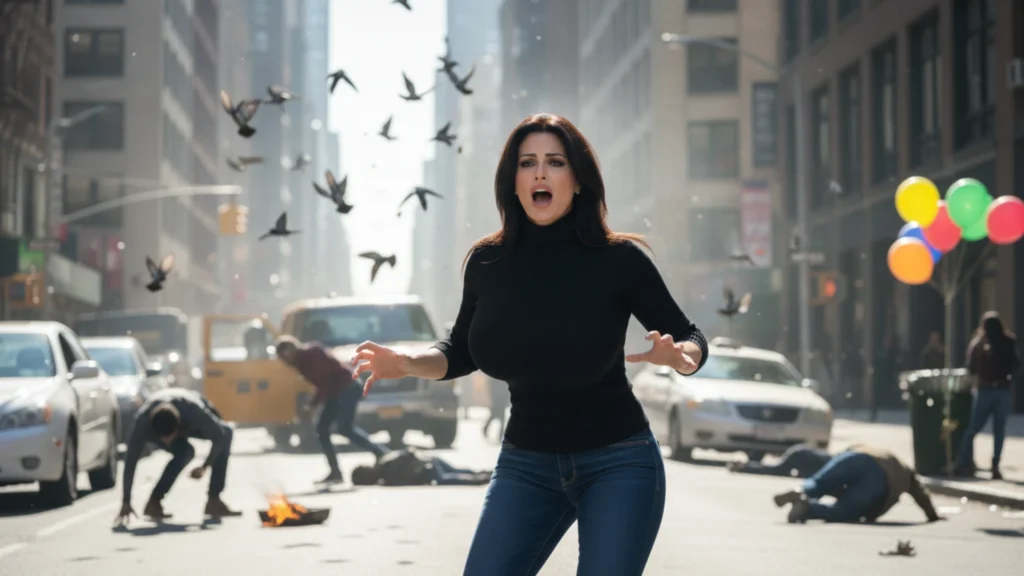
Then, without warning, the sky dims.
Not gradually.
Not like sunset.
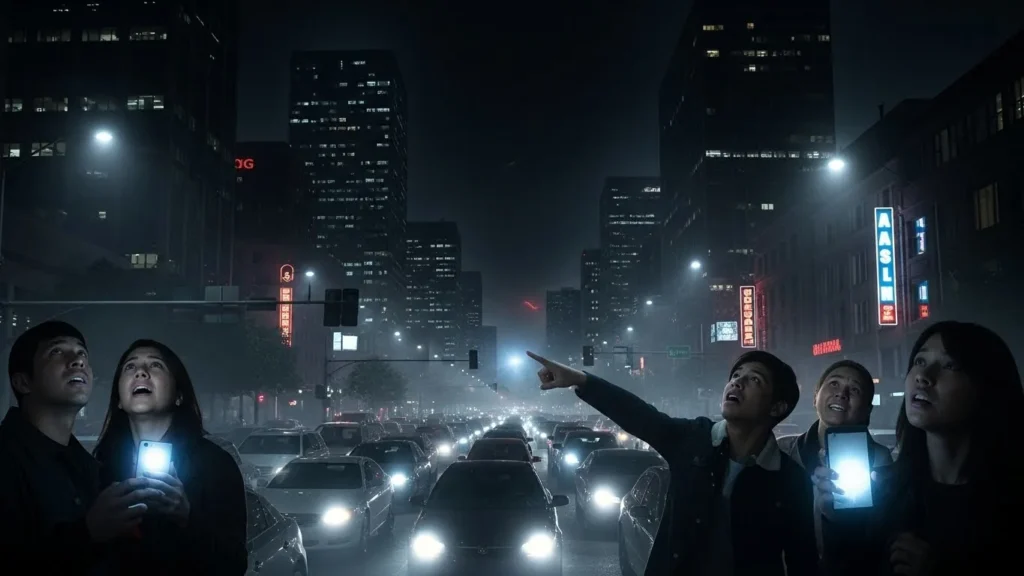
Streetlights flicker on.
Birds go silent.
People pause, confused.
A darkened sky triggers something deep in the human mind — because light is more than illumination. It’s a signal that organizes time, behavior, biology, and climate.
If the sky suddenly turned dark, the first changes wouldn’t be catastrophic.
They would be psychological, biological, and systemic — unfolding layer by layer.
What “The Sky Turning Dark” Actually Means
Darkness doesn’t require the Sun to disappear.
The sky can turn dark when sunlight is blocked, scattered, or absorbed before reaching the ground.
This can happen due to:
- Thick cloud cover
- Dense airborne particles
- Large-scale atmospheric scattering
- Temporary astronomical alignment
The Sun may still be shining above — but Earth would feel as if it isn’t.
This distinction matters, because the effects depend on how light is removed, not just that it is.
Why the Sky Is Normally Bright
The sky looks bright and blue because sunlight interacts with Earth’s atmosphere.
As sunlight enters the atmosphere:
- Shorter wavelengths scatter in all directions
- This scattered light fills the sky
- Even areas not in direct sunlight appear bright
Darkness appears when this scattering is disrupted or overwhelmed.
Remove scattered light — and the sky no longer glows.
The First Human Response: Perception and Confusion
The most immediate effect would be psychological.
Humans rely on daylight as a timing cue.
When light disappears unexpectedly:
- The brain signals uncertainty
- Attention heightens
- Time perception changes
People would instinctively slow down.
This isn’t fear — it’s orientation loss.
Daylight tells the brain, “This is a safe, active window.”
Darkness removes that reassurance.
Animals Would React Faster Than Humans
Many animals respond to light changes more quickly than humans do.
If the sky suddenly darkened:
- Birds might stop flying or return to roosts
- Insects could reduce activity
- Nocturnal animals might begin to emerge
This happens because light directly controls biological clocks.
Animals don’t wait for explanations.
They respond to signals.
Photosynthesis Would Pause Quietly
Plants depend on sunlight to produce energy.
If the sky turned dark long enough:
- Photosynthesis would slow or stop
- Energy production would pause
- Growth would temporarily halt
This doesn’t harm plants immediately.
Plants can survive short periods without sunlight — just like they do at night or during storms.
The problem appears only if darkness persists.
Temperature Would Begin to Drop
Sunlight is Earth’s primary heat source.
Without it:
- Surface temperatures would slowly fall
- Heat loss would exceed heat gain
- Cooling would begin within hours
This wouldn’t feel like instant cold.
It would feel like a prolonged overcast day that never warms up.
The longer darkness lasts, the more pronounced the cooling becomes.
A Common Misunderstanding: “Dark Sky Means the Sun Is Gone”
Not necessarily.
In most realistic scenarios:
- The Sun is still shining above the atmosphere
- Light is blocked or scattered before reaching the ground
- Space remains bright even if Earth feels dark
This distinction explains why darkness can arrive suddenly — and sometimes lift just as quickly.
Weather and Winds Would Begin to Shift
Sunlight drives atmospheric motion.
It creates temperature differences that power:
- Winds
- Storms
- Weather patterns
With reduced sunlight:
- Air circulation would weaken
- Weather systems would slow
- Wind patterns could change direction or intensity
The atmosphere wouldn’t stop moving — but it would lose energy.
Human Systems Would Feel the Change
Modern life assumes daylight.
When it vanishes unexpectedly:
- Transportation slows
- Outdoor work halts
- Power usage increases
Artificial lighting compensates for visibility — but not for biological rhythm.
Darkness during expected daylight hours disrupts focus, coordination, and productivity.
Even with technology, the body notices.
Comparing a Normal Day vs a Suddenly Dark Sky
| System | Normal Daylight | Sudden Darkness |
|---|---|---|
| Human alertness | High | Reduced, cautious |
| Animal behavior | Day-active species dominant | Mixed or confused |
| Plant activity | Active photosynthesis | Paused |
| Temperature | Rising or stable | Gradual cooling |
| Weather energy | Solar-driven | Reduced |
Why Darkness Feels So Powerful
Darkness isn’t dangerous by default.
But sudden darkness removes predictability.
Predictability is what allows:
- Confidence
- Coordination
- Routine
When the sky darkens unexpectedly, the brain switches from planning to monitoring.
It’s a survival feature — not panic.
If the Darkness Lasted Days or Weeks
Short-term darkness is manageable.
Long-term darkness changes everything.
Over extended periods:
- Food systems would strain
- Ecosystems would reorganize
- Climate cooling would intensify
Earth has experienced prolonged dimming in its past — and life persisted, but adapted.
Time, not shock, determines impact.
Why This Matters Today
Understanding sudden darkness helps explain how dependent Earth is on light.
Sunlight is not just brightness.
It regulates:
- Biological clocks
- Weather systems
- Energy flow
- Food production
Light is Earth’s organizing principle.
Remove it, and systems don’t fail immediately — they lose coordination.
Frequently Asked Questions
1. Would darkness mean the Sun stopped shining?
No. Darkness usually means sunlight is blocked or scattered.
2. Would people panic immediately?
Most people would pause and observe before reacting.
3. Could plants survive sudden darkness?
Yes, for short periods. Extended darkness would cause stress.
4. Would temperatures drop instantly?
No. Cooling would be gradual over hours to days.
5. Has Earth experienced dark skies before?
Yes. Large volcanic events and atmospheric changes have caused global dimming.
Key Takeaways
- The sky can turn dark even if the Sun is still present
- Darkness disrupts perception before it disrupts systems
- Plants and animals respond quickly to light changes
- Temperature and weather shift gradually
- Light organizes life more than we realize
A Calm Look at a Darkened World
A dark sky feels dramatic because it breaks expectation.
But science shows something reassuring.
Earth doesn’t rely on constant brightness — it relies on patterns.
Short-term darkness is something the planet and life can handle.
It’s not the absence of light that matters most.
It’s how long the absence lasts — and whether balance can return.
Disclaimer: This article explains scientific concepts for general educational purposes and is not intended as professional or medical advice.