The Force You Never Notice — Until It Changes
Gravity is the quietest rule of daily life.
It keeps your feet on the ground.
It makes spilled water fall downward.
It gives weight to every object you touch.
Because gravity is constant, we stop noticing it.
Now imagine waking up one morning and something feels… off.
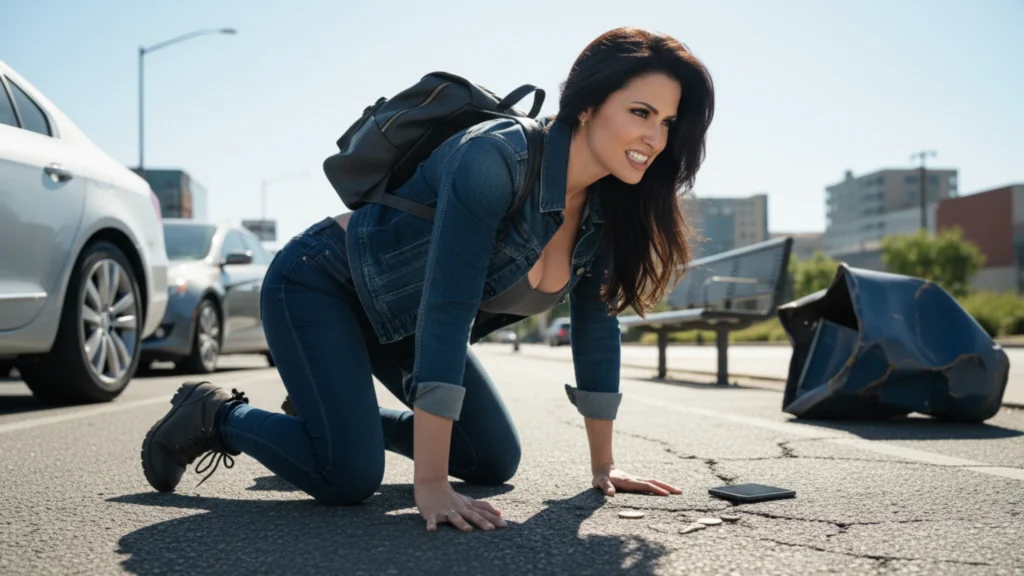
Your steps feel springy.
Objects feel lighter.
A small jump carries you higher than expected.
Nothing is floating away — but everything feels less anchored.
If gravity were suddenly half as strong, Earth wouldn’t fall apart.
But almost every system would begin to behave differently.
What “Half as Strong” Gravity Really Means
Gravity being half as strong doesn’t mean zero gravity.
It means:
- Everything still falls downward
- Objects still have weight
- Earth still holds onto its atmosphere and oceans
But the force pulling everything down is reduced by 50%.
You wouldn’t float like an astronaut.
You’d feel more like you were living on a much lighter planet — somewhere between Earth and the Moon.
The First Thing You’d Notice: Movement Feels Easy
The most immediate change would be how your body moves.
With half gravity:
- Walking requires less effort
- Running feels bouncy and float-like
- Jumping sends you much higher
Stairs would feel effortless.
Carrying objects would feel easier.
However, stopping motion would become harder.
Once you’re moving, inertia carries you farther — because gravity isn’t pulling you down as strongly.
A Common Misunderstanding: “Everything Would Float Away”
This is one of the biggest myths.
Half gravity does not mean Earth loses its grip.
Earth’s gravity would still be strong enough to:
- Hold oceans in place
- Keep air from escaping
- Maintain planetary structure
Objects wouldn’t drift into space.
They’d simply feel lighter and stay airborne longer when moved.
How Buildings and Cities Would Change
Buildings are designed to resist gravity.
With less downward force:
- Structural stress would decrease
- Taller buildings could exist more easily
- Materials could be lighter
However, sideways forces like wind would matter more.
Because gravity helps stabilize structures, weaker gravity means buildings would need stronger anchoring against lateral motion.
Cities would grow upward — but also need better balance.
Trees, Plants, and the Shape of Nature
Plants grow against gravity.
Roots push downward.
Stems grow upward.
With half gravity:
- Trees could grow taller
- Stems would need less structural support
- Leaves could spread wider
Forests would look different.
Instead of thick, rigid trunks, plants might grow taller, thinner, and more flexible — because gravity wouldn’t demand as much reinforcement.
Mountains Would Be Taller and Steeper
Gravity limits how tall mountains can grow.
Rock eventually collapses under its own weight.
With weaker gravity:
- Mountains could rise higher
- Slopes could be steeper
- Erosion patterns would change
Earth’s landscape would become more dramatic.
Sharper peaks.
Deeper cliffs.
The planet would look more extreme — but not unstable.
Oceans Would Behave Differently — But Stay Put
Water responds strongly to gravity.
With half gravity:
- Waves would be taller and slower
- Splashing would send water higher
- Tides would behave differently
However, oceans wouldn’t escape.
They’d simply move with less downward pull — creating more dramatic motion and slower settling.
Swimming would feel easier.
Diving would feel gentler.
The Atmosphere Would Become Taller
Earth’s atmosphere is held down by gravity.
If gravity weakened:
- Air would spread higher above the surface
- Atmospheric layers would expand
- Pressure at the surface would slightly decrease
Breathing would still be possible.
But the atmosphere would feel thicker vertically, extending farther into space before thinning out.
Human Bodies Would Adapt Over Time
The human body is shaped by gravity.
Bones strengthen to resist weight.
Muscles maintain posture.
With half gravity over generations:
- Bones could become lighter
- Muscles might be less dense
- Average human height could increase
People wouldn’t become fragile — they’d become optimized for a lighter world.
Strength would matter differently.
Sports and Daily Activities Would Transform
Every physical activity would change.
Examples:
- Basketball players could jump dramatically higher
- Throwing objects would send them farther
- Falls would be slower and less forceful
However, coordination would require relearning.
Timing, balance, and landing would all need adjustment.
Gravity trains reflexes — weaken it, and reflexes evolve.
Comparing Earth Gravity vs Half Gravity
| Feature | Current Earth Gravity | Half Gravity |
|---|---|---|
| Walking | Firm and grounded | Springy and light |
| Jumping | Short airtime | Long, floaty airtime |
| Buildings | Height-limited | Taller structures possible |
| Trees | Thick trunks | Taller, thinner growth |
| Atmosphere | Compact | More vertically spread |
Why Earth Isn’t Already Like This
Earth’s gravity is set by its mass and size.
To have half gravity naturally, Earth would need to be:
- Much smaller
- Less dense
- Or composed differently
Each option would change Earth in other major ways.
Gravity isn’t adjustable — it’s the result of what a planet is.
Why This Matters Today
Thinking about half gravity reveals something subtle.
Gravity doesn’t just keep us grounded.
It shapes:
- How tall life can grow
- How strong materials must be
- How bodies develop
- How landscapes form
Earth’s gravity is not too strong or too weak.
It’s balanced for complexity.
Frequently Asked Questions
1. Would humans be stronger in half gravity?
Movements would feel easier, but absolute strength would adapt downward over time.
2. Would flying be possible for humans?
Not naturally. Gravity would still be far too strong for unaided flight.
3. Would Earth lose its Moon?
No. Orbital mechanics would remain largely stable.
4. Would weather become more extreme?
Some patterns would change, especially winds and storms, but not instantly.
5. Would aging slow down?
Gravity affects the body, but aging is driven by many factors beyond weight alone.
Key Takeaways
- Half gravity means lighter weight, not weightlessness
- Movement becomes easier but harder to control
- Landscapes would grow taller and more dramatic
- Life would adapt structurally over time
- Gravity quietly shapes everything we see
A Calm Look at a Lighter World
A half-gravity Earth wouldn’t feel broken.
It would feel liberating — and unfamiliar.
The ground would still be there.
The sky would still stay above.
But every step would remind you that gravity isn’t just a force —
it’s a sculptor.
It shapes bodies, landscapes, and possibilities.
Change gravity, and you don’t destroy the world.
You redesign it.
Disclaimer: This article explains scientific concepts for general educational purposes and is not intended as professional or medical advice.