When Night Becomes Truly Dark Again
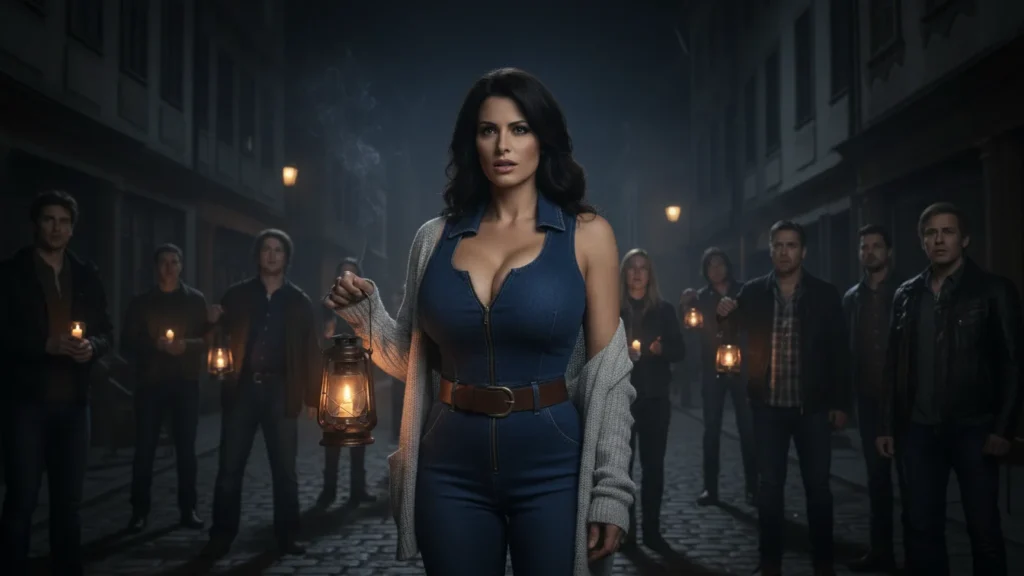
Picture this moment.
You turn off the lights before bed —
but this time, they don’t come back on.
Streetlights vanish.
Buildings go dark.
Cities fall silent under a sky most people have never truly seen.
Not because of fear.
Not because of disaster.
Just darkness — natural darkness.
What would actually happen if artificial light disappeared overnight?
To answer that, we need to understand a simple truth:
light doesn’t just help us see — it shapes life itself.
Why Artificial Light Is So Powerful
Artificial light is one of humanity’s most transformative inventions.
It changed:
- How long we stay awake
- When we work
- How cities grow
- How ecosystems behave
Before electric light, human activity followed the Sun closely.
After artificial light:
- Night became usable
- Time stretched
- Biological rhythms bent
Light became more than illumination — it became a signal.
The First Immediate Change: Nights Become Real Again
Without artificial light:
- Nights would become truly dark
- Visibility would drop dramatically after sunset
- Movement would slow naturally
People wouldn’t panic — they would pause.
Activities that once felt normal at night would feel unusual:
- Shopping
- Late commuting
- Outdoor gatherings
Darkness wouldn’t stop life —
it would reschedule it.
How Human Vision Would Adapt
Human eyes evolved for low-light conditions.
In real darkness:
- Pupils dilate more
- Rod cells become dominant
- Vision shifts toward motion detection
Over time, people would:
- Navigate better in moonlight
- Rely more on contrast than color
- Become more aware of subtle light sources
Just like muscles adapt to use, vision adapts to darkness.
Sleep and the Body’s Internal Clock
Light is the strongest regulator of the circadian rhythm — the body’s internal timing system.
- Delays sleep signals
- Confuses night-day boundaries
- Extends wakefulness
Without it:
- Sleep would align more closely with sunset
- Wake times would follow sunrise
- Sleep quality would feel more consistent
This wouldn’t be forced.
It would feel natural.
Why This Happens: Light Is a Biological Instruction
Light tells the body:
- When to be alert
- When to rest
- When to release certain hormones
Artificial light acts like a constant “daytime” signal.
Remove it, and the body returns to:
- Clear rhythms
- Predictable cycles
- Natural timing
Darkness isn’t absence — it’s information.
Cities Would Change Their Rhythm
Cities depend heavily on artificial light.
Without it:
- Nighttime economies would shrink
- Work hours would compress
- Public spaces would quiet earlier
But cities wouldn’t collapse.
They would:
- Shift activity to daylight
- Develop stronger daytime culture
- Value rest and timing more
Urban life would feel slower — not smaller.
How Nature Would Respond Almost Immediately
Artificial light affects far more than humans.
In darkness:
- Birds would migrate more accurately
- Insects would navigate better
- Nocturnal animals would reclaim territory
Plants would:
- Follow clearer growth cycles
- Respond more accurately to seasonal light
The natural world would re-synchronize.
A Side-by-Side Comparison
| Aspect | With Artificial Light | Without Artificial Light |
|---|---|---|
| Night brightness | High | Very low |
| Sleep timing | Delayed | Sun-aligned |
| City activity | 24/7 | Day-focused |
| Wildlife behavior | Disrupted | Natural |
| Night sky visibility | Rare | Common |
The Night Sky Returns
One of the most profound changes would be above us.
Without artificial light:
- The Milky Way becomes visible
- Stars regain clarity
- The sky feels vast again
For most of human history, the night sky was:
- A map
- A calendar
- A source of meaning
Darkness reconnects humans to cosmic scale.
Common Misunderstandings About a World Without Light
“People wouldn’t function.”
Humans lived this way for thousands of years.
“Darkness is dangerous.”
Unfamiliar doesn’t mean unsafe — adaptation reduces fear.
“Progress would reverse.”
Technology isn’t erased — schedules change.
Darkness changes behavior, not intelligence.
Why Artificial Light Changed Human Psychology
Constant light:
- Blurs boundaries between work and rest
- Encourages constant availability
- Reduces natural stopping points
Darkness provides:
- Closure to the day
- Mental decompression
- Psychological reset
It’s not about productivity —
it’s about balance.
Why This Matters Today
Modern life is saturated with light:
- Screens
- LEDs
- Ambient glow
This experiment reminds us:
- Light is powerful
- Darkness is functional
- Biology evolved with contrast, not constant brightness
Understanding this helps explain:
- Why evenings feel overstimulating
- Why night feels different outdoors
- Why natural light patterns matter
Key Takeaways
- Artificial light reshaped human schedules and biology
- Darkness restores natural rhythms, not chaos
- Sleep, focus, and behavior align more naturally without constant light
- Ecosystems benefit from true night conditions
- Darkness is not absence — it’s a biological signal
Frequently Asked Questions
Would humans still be productive?
Yes — productivity would concentrate in daylight hours.
Would sleep increase?
Likely, but more importantly, sleep timing would stabilize.
Would safety decline?
Adaptation and daylight-focused activity would offset many risks.
Did humans live like this before?
Yes — for most of history, artificial night light was minimal.
Would technology still exist?
Yes — only the use of light changes, not knowledge.
A Calm Conclusion
Artificial light gave humans freedom from night —
but also distanced us from natural rhythm.
If it disappeared overnight, the world wouldn’t fall apart.
It would slow down, realign, and rediscover darkness as a partner — not an enemy.
Night would once again mean night.
And life would quietly adapt.
Disclaimer: This article explains scientific concepts for general educational purposes and is not intended as professional or medical advice.