
“A Sensory Moment Everyone Recognizes”
You walk into a kitchen.
A pot is simmering.
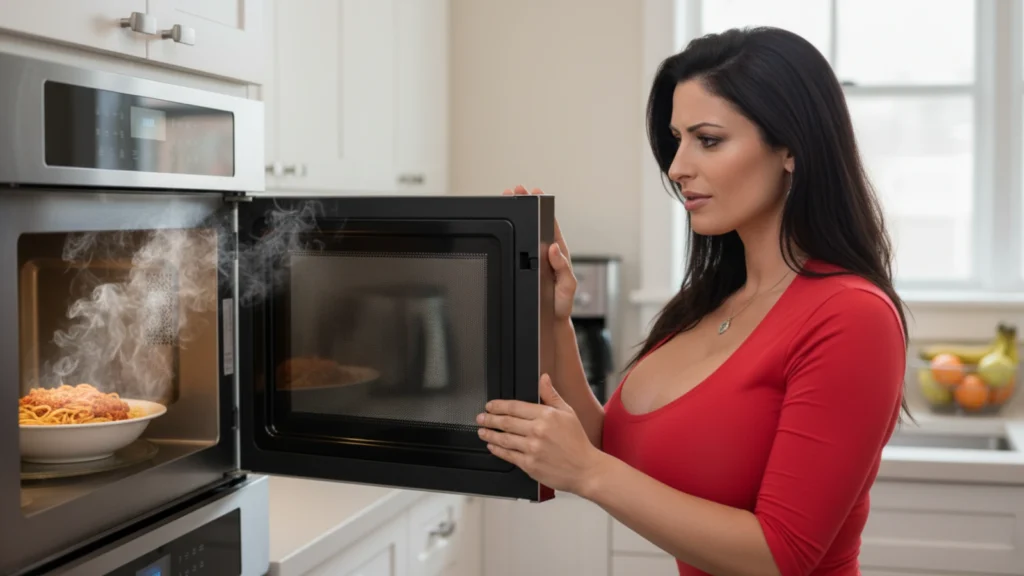
Steam rises gently into the air.
Before you even see the food, you smell it.
The aroma feels rich, intense, and irresistible.
Later, when the same dish cools, the smell fades — even though the food is still there.
Nothing mysterious happened.
The change lies in how heat affects molecules and how your nose works.
The Big Idea: Smell Depends on Moving Molecules
Smell doesn’t come from food itself.
It comes from tiny molecules escaping the food and entering the air.
These aroma molecules must:
- Break free from the food
- Travel through the air
- Reach receptors in your nose
The easier this process is, the stronger the smell feels.
Heat makes every step easier.
What Aroma Molecules Really Are
Foods contain many compounds responsible for smell.
These compounds are:
- Small
- Lightweight
- Easily vaporized
Scientists call them volatile molecules — meaning they readily turn into gas.
But volatility isn’t fixed.
It changes with temperature.
Why Heat Sets Aroma Molecules Free
As temperature increases:
- Molecules move faster
- Bonds loosen
- More particles escape into the air
This process is called evaporation, and it’s essential for smell.
Cold food holds aroma molecules tightly.
Hot food releases them generously.
That’s why heating food dramatically increases aroma.
Steam: The Aroma Delivery System
Steam isn’t just hot water vapor.
It’s also a carrier.
As steam rises:
- It picks up aroma molecules
- Lifts them into the air
- Spreads them farther and faster
This is why:
- Hot soup smells across a room
- Freshly baked bread fills a house
- Cooking smells travel so easily
Steam acts like a molecular elevator.
A Simple Analogy That Makes Sense
Imagine perfume in a sealed bottle.
Cold:
- The scent stays trapped
Warm:
- The scent escapes quickly
Heat doesn’t create new smells.
It simply unlocks what’s already there.
Food works the same way.
Why Cold Food Smells Weaker
Cold temperatures slow molecular motion.
When food is cold:
- Aroma molecules move slowly
- Fewer escape into the air
- Less reaches your nose
That’s why:
- Ice cream smells faint
- Cold leftovers seem bland
- Frozen food has almost no aroma
The smell returns when the food warms.
How Your Nose Amplifies the Effect
Your sense of smell relies on:
- The number of molecules
- How often they hit receptors
Hot food sends many more aroma molecules per second.
That higher signal:
- Feels stronger
- Feels richer
- Feels more complex
Your nose isn’t changing.
The signal it receives is.
Smell and Taste Work Together
What we call “flavor” is mostly smell.
When food is hot:
- Aroma is stronger
- Flavor feels fuller
- Taste seems more intense
As food cools:
- Aroma weakens
- Flavor flattens
This is why many foods are more enjoyable warm.
Why Some Smells Disappear When Food Cools
Certain aroma molecules are:
- Extremely volatile
- Released quickly at high temperatures
Once released:
- They dissipate
- They don’t easily return
That’s why:
- Fresh coffee smells strongest right after brewing
- Hot bread smells best out of the oven
Cooling doesn’t destroy aroma — it slows new release.
A Side-by-Side Comparison
| Food Temperature | Molecule Movement | Smell Strength |
|---|---|---|
| Cold | Very slow | Weak |
| Room temperature | Moderate | Noticeable |
| Hot | Fast | Strong |
| Steaming | Very fast | Intense |
This simple physics explains most aroma changes.
Common Misunderstandings About Food Smell
Many people think:
- Heat creates smell
- Hot food is “more fragrant” chemically
- Cold food has less flavor inside
In reality:
- The aroma compounds already exist
- Heat changes release, not composition
- Cold food traps smell molecules
The chemistry is constant — the physics changes.
Why This Matters in Cooking
Cooks intuitively use this science.
Heating:
- Unlocks aroma
- Signals doneness
- Triggers appetite
Cooling:
- Reduces smell
- Preserves food
- Slows flavor release
Understanding aroma explains why timing and temperature matter so much in food.
Why This Matters Today
In a world of:
- Ready-made meals
- Refrigerated food
- Takeaway and reheating
Knowing why heat boosts aroma helps explain:
- Why reheated food smells stronger
- Why freshly cooked food feels more satisfying
- Why warm meals trigger appetite
It’s everyday science shaping daily enjoyment.
Everyday Examples You’ve Definitely Noticed
- Hot pizza smelling stronger than cold slices
- Coffee aroma fading as it cools
- Soup smelling richer while steaming
- Cold food tasting less flavorful
These are all temperature effects in action.
Key Takeaways
- Smell comes from airborne molecules
- Heat increases molecular movement
- Hot food releases more aroma compounds
- Steam helps spread smells
- Cold food traps aroma molecules
- Strong smell equals strong sensory signals
Frequently Asked Questions
Does heat create new smells in food?
No. Heat releases existing aroma molecules more efficiently.
Why does reheated food smell stronger again?
Warming speeds up molecule movement, releasing aroma into the air.
Why does cold food taste bland?
Less aroma reaches your nose, reducing perceived flavor.
Is steam necessary for smell?
No, but it greatly enhances aroma spread.
Why do some foods smell bad when hot?
Heat releases all aroma compounds — pleasant or unpleasant.
A Calm Way to Think About Food Smell
Food doesn’t smell better when hot because it changes who it is.
It smells stronger because heat gives its aroma molecules freedom to move.
Your nose simply notices what was always there — now arriving faster, farther, and in greater numbers.
The next time a warm meal fills the room with scent, you’re witnessing simple physics and chemistry working together — turning heat into flavor, and motion into appetite.
Disclaimer: This article explains scientific concepts for general educational purposes and is not intended as professional or medical advice.







Pingback: Why We Feel Heavy in Humid Weather — The Science Your Body Is Fighting